The Alchemy from Antiquity

Selections from
Pick background music:


The book has been released!

Amazon Kindle
Paperback US and UK

Walmart

Barnes and Noble Paperback and Nook

Bookshop.org

Waterstones

Eurobooks

Hugendubel

Kobo eBook Worldwide

Books a Million

Kogan in Australia.


Goodreads.
         Upcoming author talks:
         Limerick Maine Public Library November 13th at 6PM

         Author chat at Wellness Day. Ripples to Rembering Wellness Center, November 21st 10am-2pm

         Scarborough Maine Public Library December 4th, 1PM

         Gorham Maine, Baxter Public Library December 15th, 6PM


Step into the world of the 6th century Britannia and Gaul! Where Romano Britons lived with Celts and Gauls and incoming Saxons and Anglos in the crumbling, derelict city of Londinium. Where the Romans withdrew and retreated from the capital city of Londinium in 410 AD. Leaving it destitute and in partial ruins without coin currency except gold and silver. A handful of shops and monasteries and market stalls and a library and a few schools still thrived in the protected walled city. Where the elusive tribe of the Picts in Caledonia (Scotland) and the Votadini tribe of Bernicia (Northumberland) lived among the banks of the Tweed river and points north. The Celtic ancestors of the Bernician tribe of the Votadini had successfully integrated into Roman society over the past 5 hundred years. A few Norsemen arrived from the North Sea via Scandinavia seeking land for farming and had not yet begun their plundering raids of the later centuries. When Christianity was coexisting alongside the paganism of the Romans and the native Celts and Saxon newcomers. When Gaul was being attacked by the Franks who would one day dominate the region under the power king Charlemagne in later centuries. When Saxony (Belgium and Germany) was an uncertain place that brought both raiders and refugees pouring into the island of Britannia. Saxons were fleeing raids and plagues coming from the Mediterranean and into their homeland. The Roman market town of Eboracum (York) still served as a coastal outpost for travelers venturing north and south along the coastal trade route carved out by the Romans centuries earlier. This is a world where local women often dominated as healthcare providers and were herbalists and midwives/nurses and surgeons caring for the sick and wounded. Where local militia struggled to keep peace from their military compounds outside the walled city. This is the world of Danae, Ian, Kestra, Laurus, Mare, Stephan, Marcus, Augustus, Petronis, Julia, Vivian, Cedric, Aldous, Daphne and little Ian.
* All images can be clicked on to be viewed full screen


A historical fiction novel by Stephanie Simpson. Email ssimpson@macmaps.com.

"Atmospheric"..."A panoramic and immersive novel of life in an England long past." - Kirkus Reviews

The Alchemy from Antiquity
Cover illustrated by Elizabeth Berry MacKenney


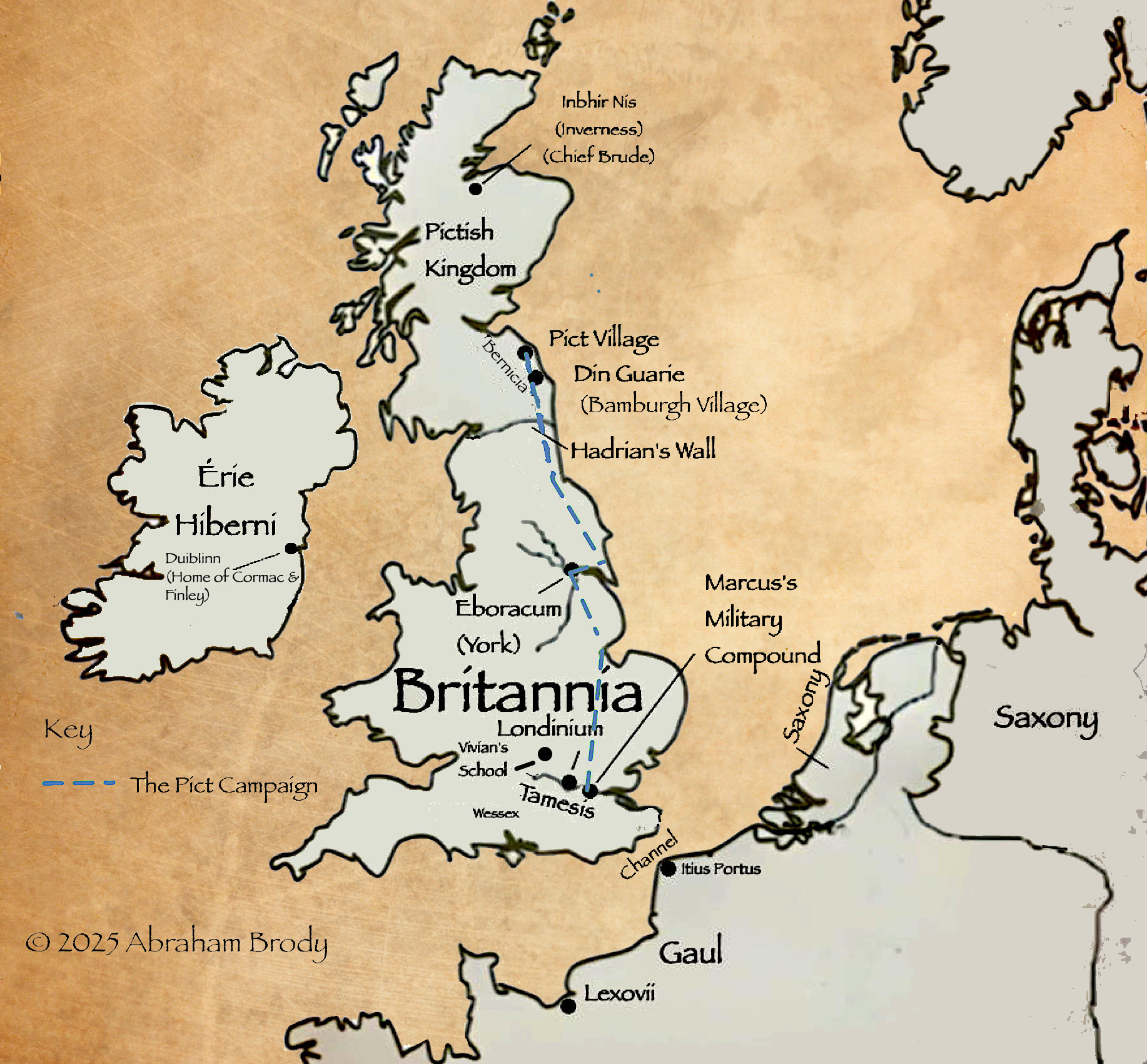
Britannia 550 ADLondinium


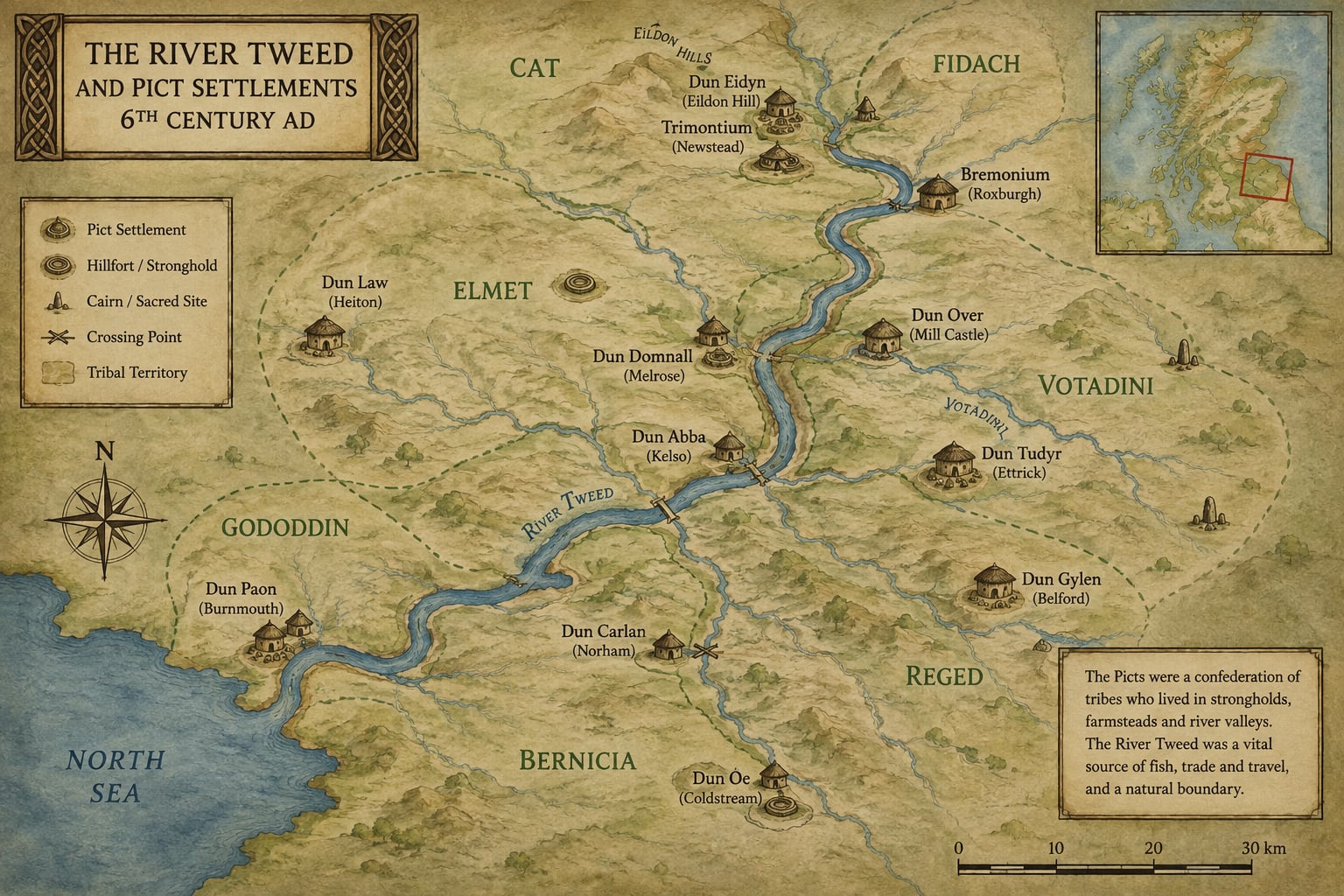
Maps from the book, created by my husband Abraham Brody. Click to zoom.


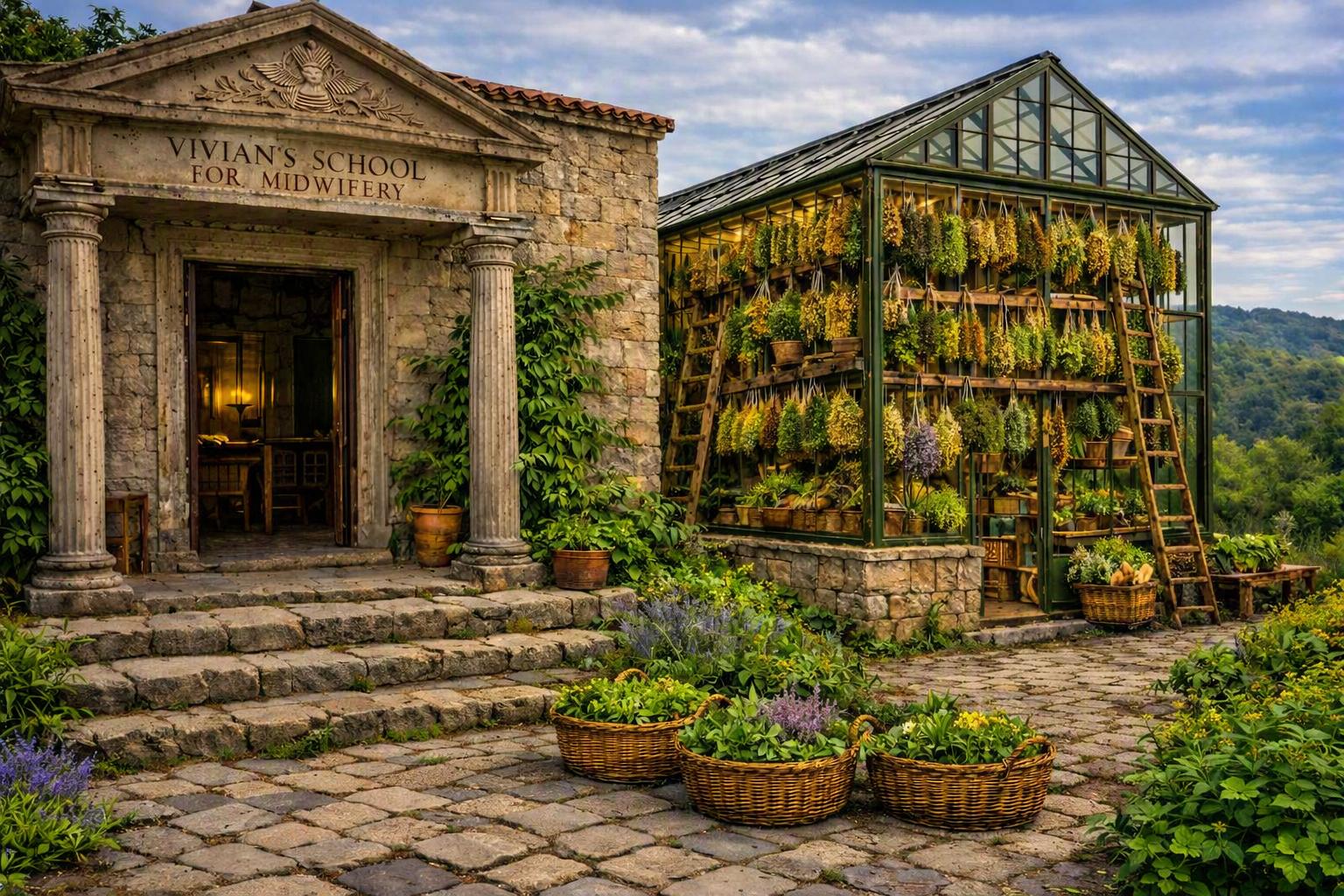
Danae is a young pagan girl from coastal Gaul in the village of Lexovii. Her Auntie Mare and Auntie Vivian raised her and her twin brother Ian there and later in Londinium where she attended her Auntie Vivian's School for Midwifery. She was trained as an herbalist and later midwife and surgeon at an early age. Their parents died of a plague, leaving the twins orphaned as babies. Years later, Danae takes a position as a medic surgeon in Marcus's stoic military compound. Lexovii was the name of a real village named after the tribal people living there..According to the records of Roman emperor and dictator Julius Caesar.

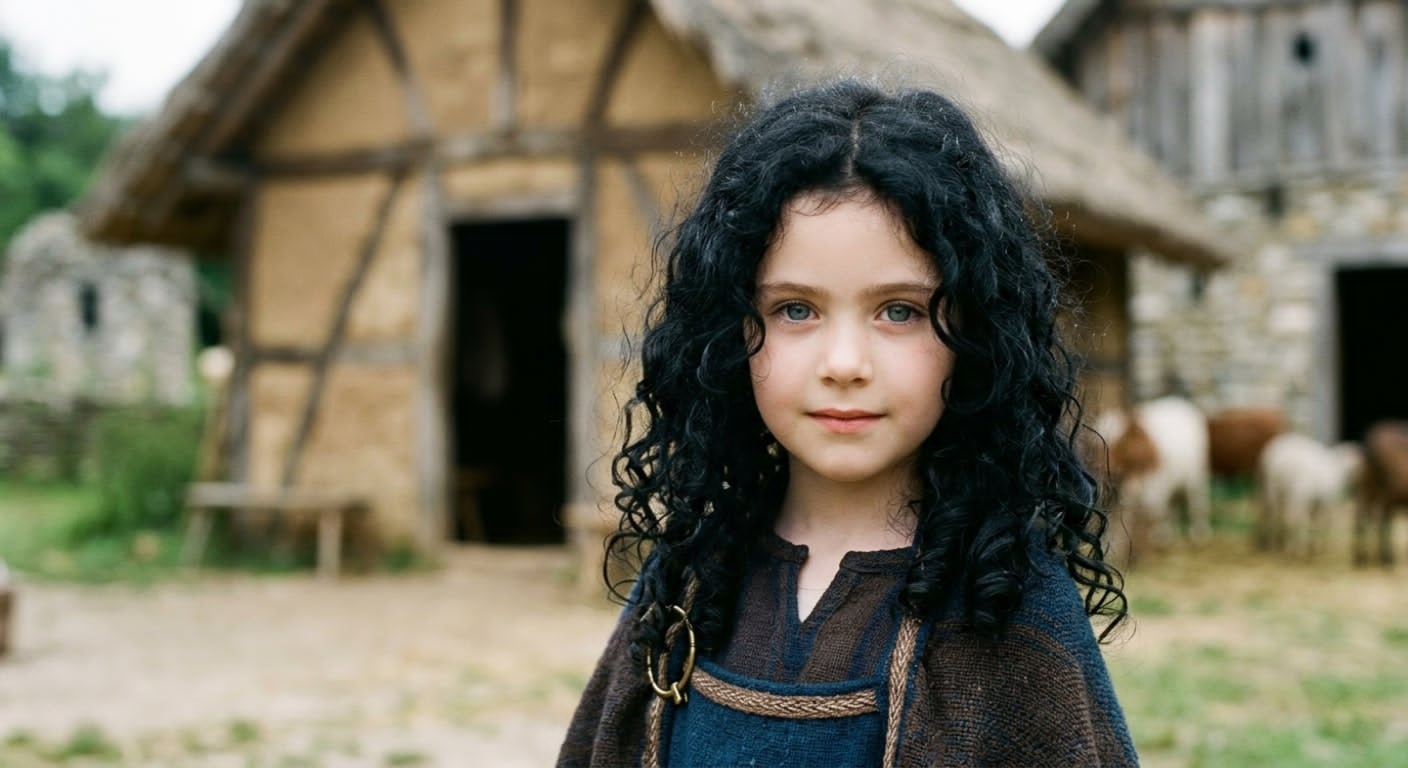
Eleven year old twins Ian and Danae sparring together with wooden swords on the beach outside their village of Lexovii in coastal Gaul.


Danae with her sling.

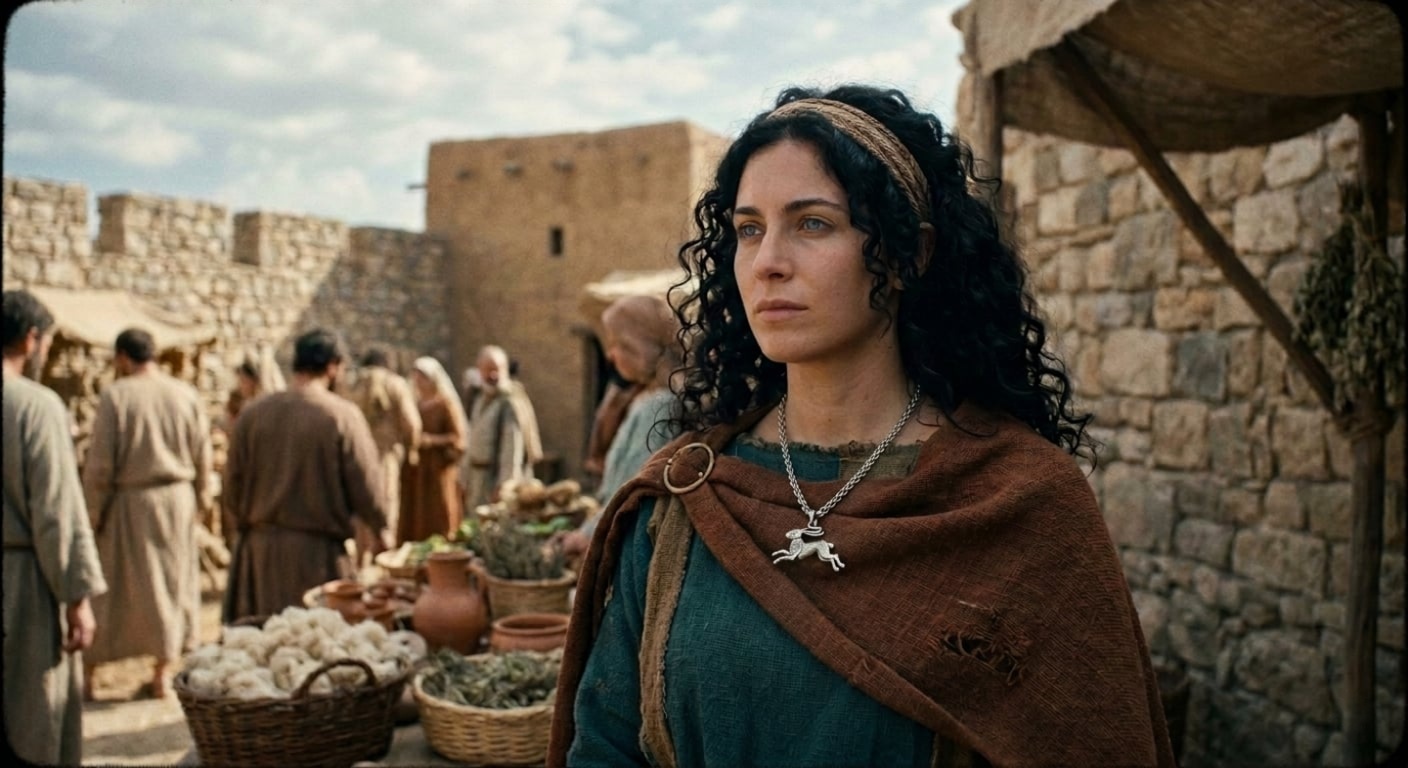
Danae shopping for herbs and seeds at the Londinium market


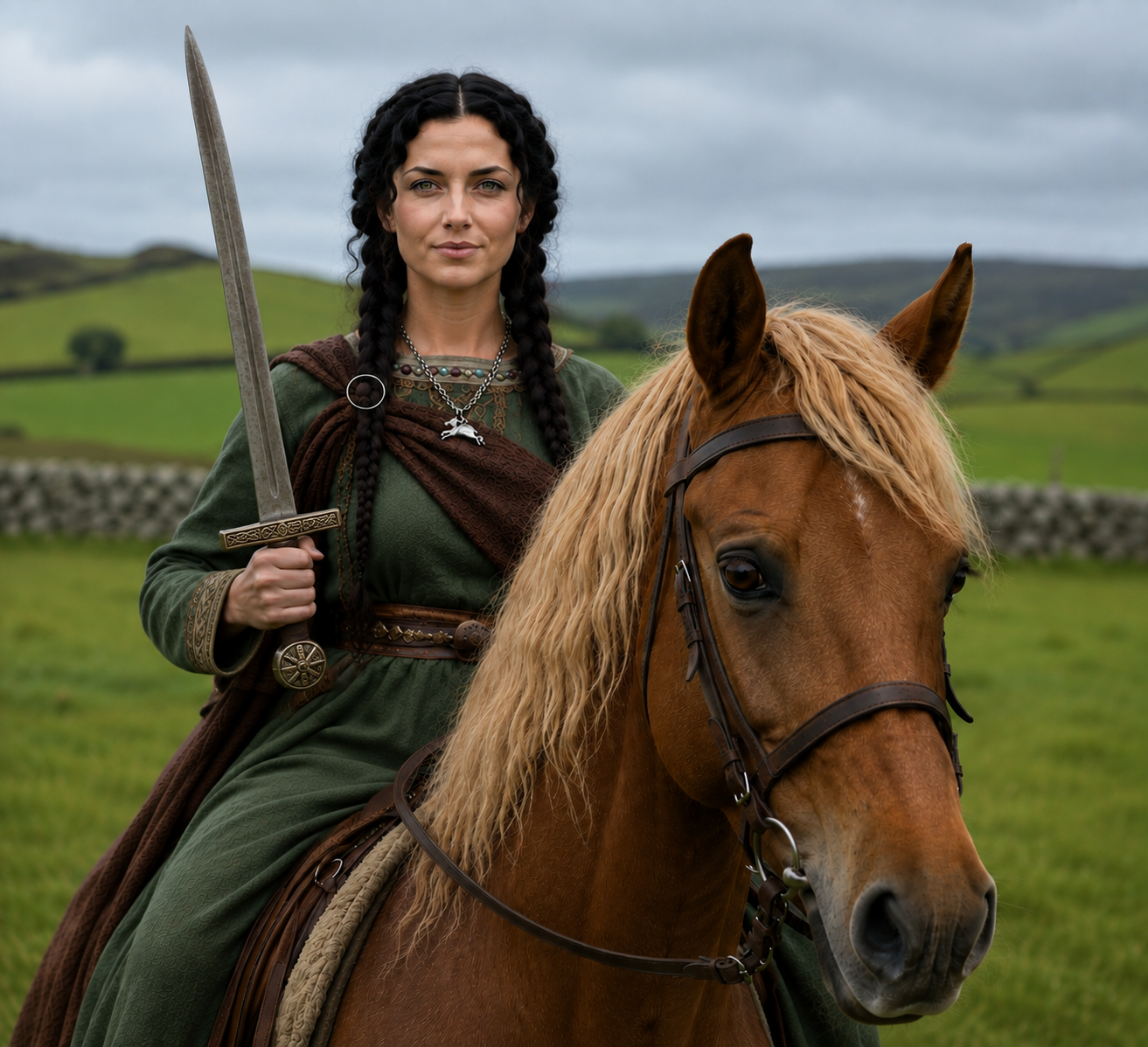
Danae with her sword on her beloved mare Gelphy.


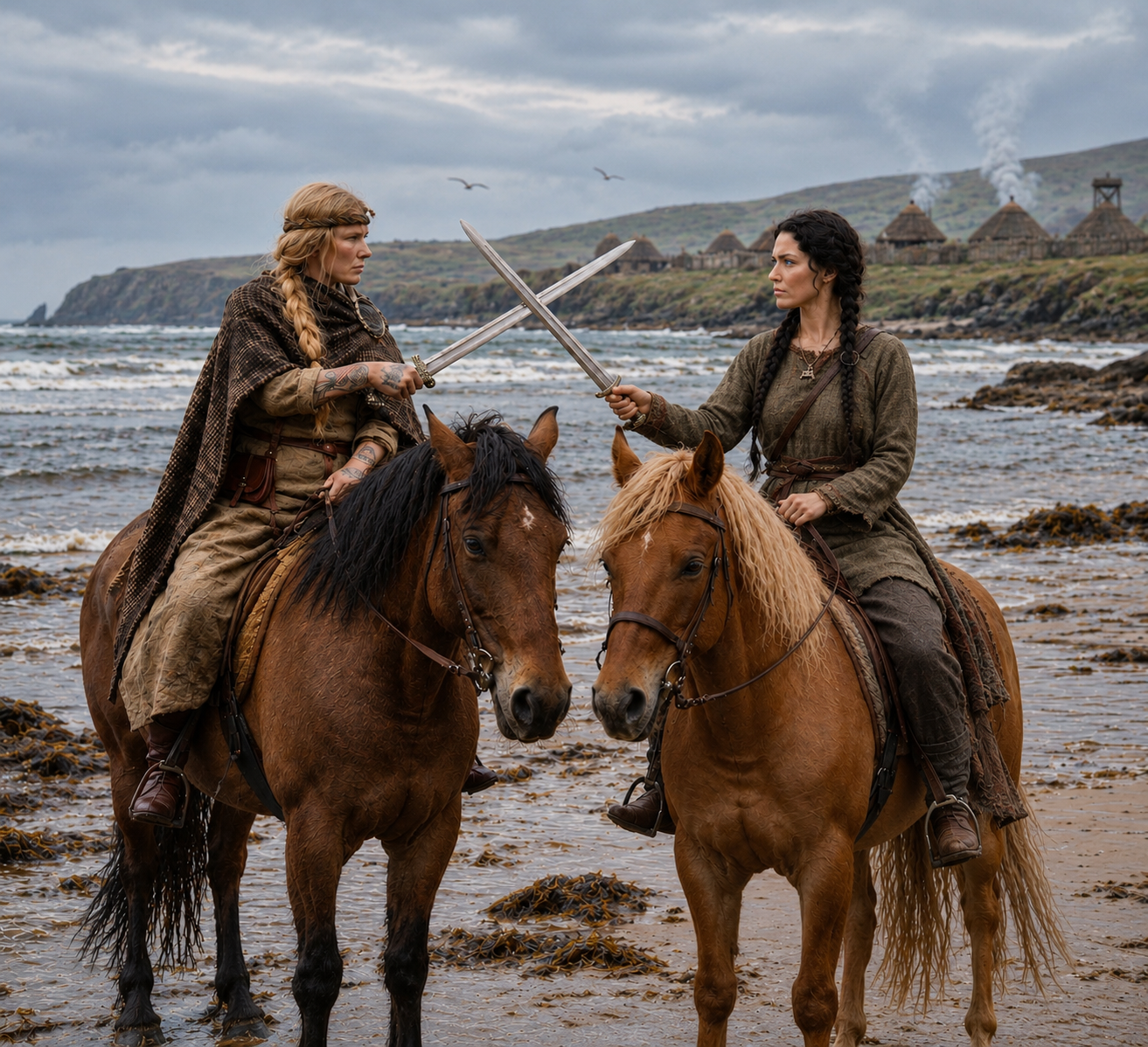
Grainne teaching Danae how to use the sword, woman warrior style..Tweed River Beach, Pict Settlement, Bernicia.

Danae working as a medic surgeon attending to one of her male soldier patients in Marcus's military compound.


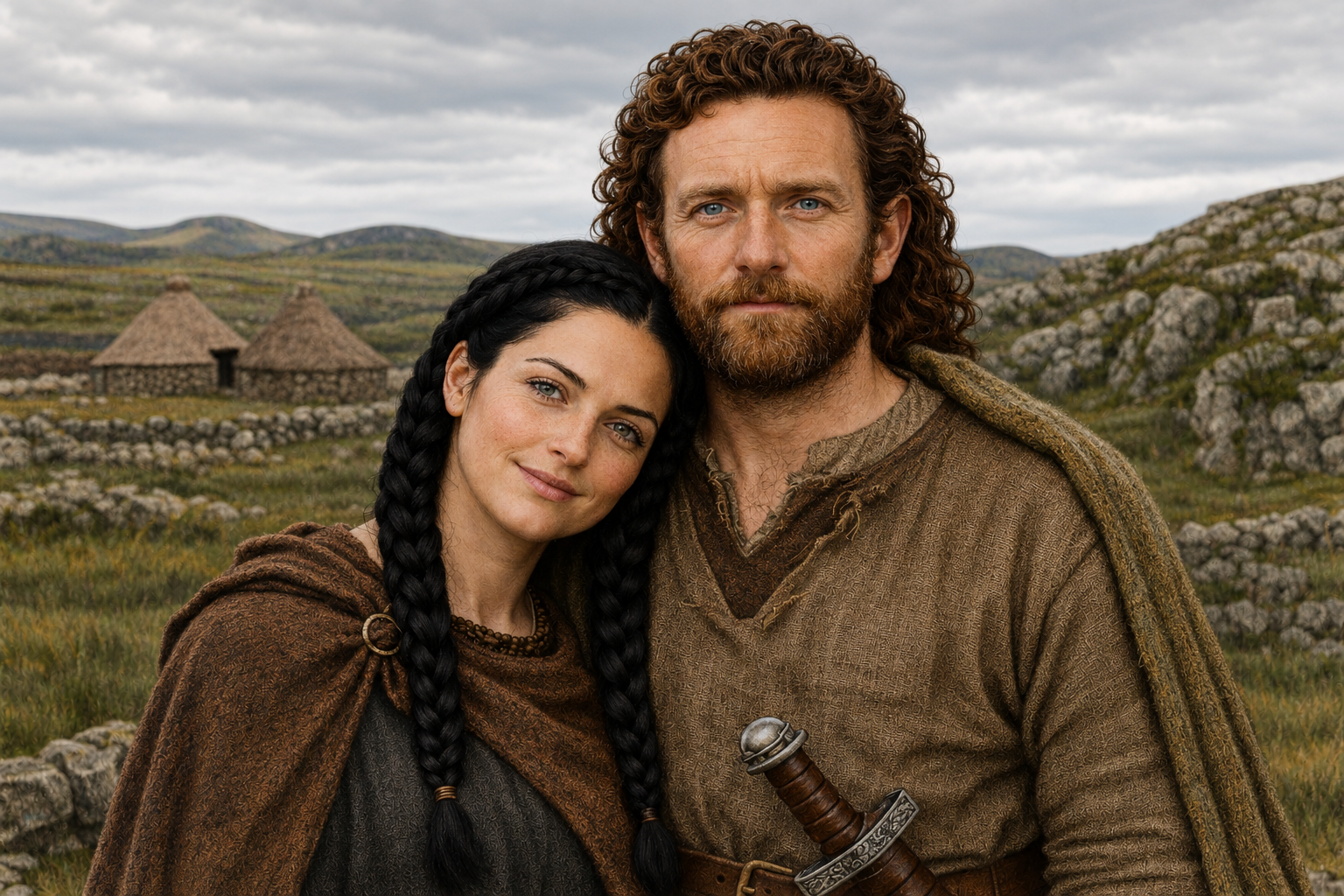
Danae's home village of Lexovii


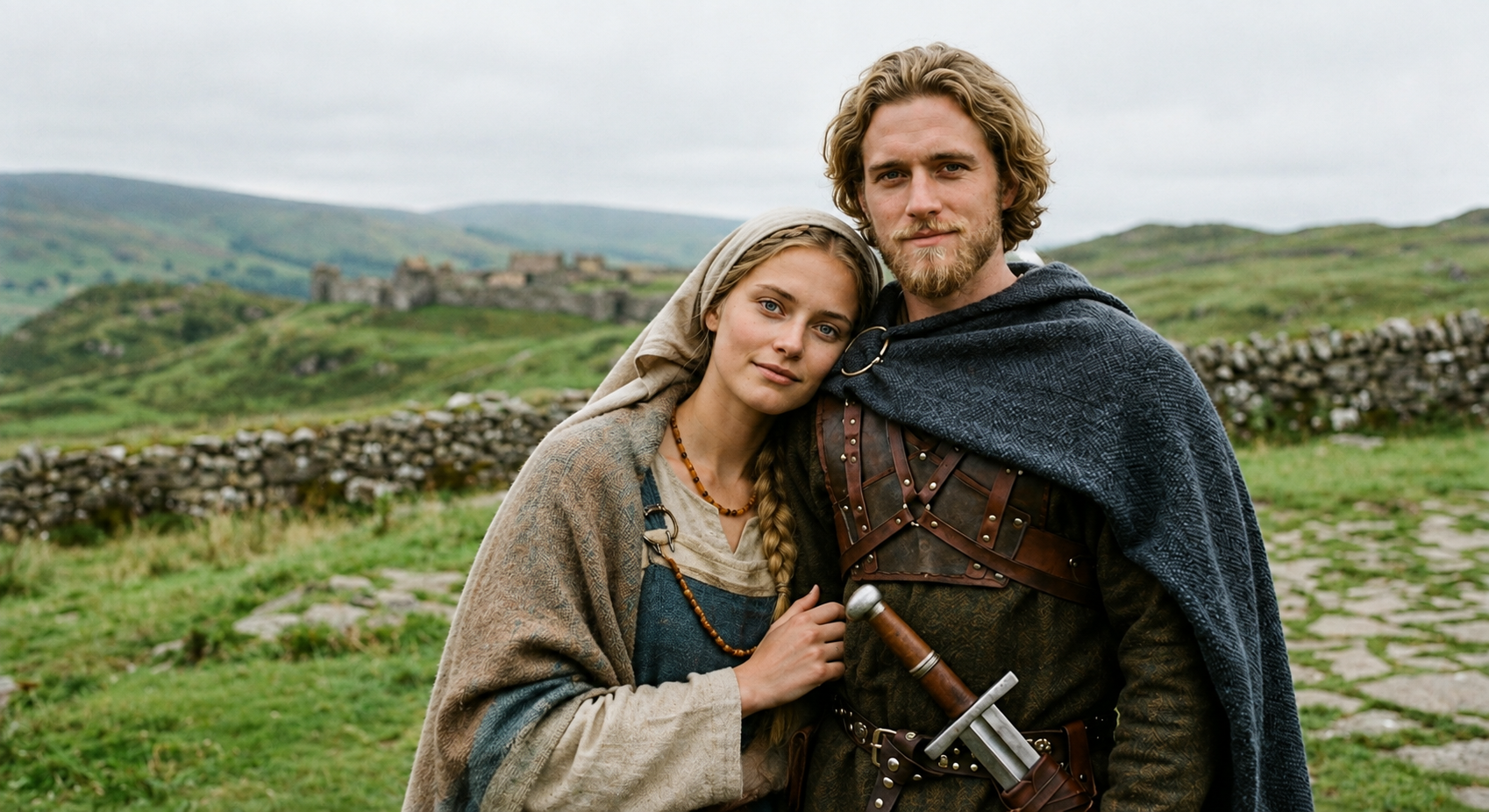
Stephan is a high ranking military officer in Marcus's army compound in charge of security for all residents, both soldiers and surgeons and midwives working and living there. He is a descendant of the Votadini tribal people of Bernicia in present day Northumberland. After much long conflict together with Danae, the two become united as lovers and later husband and wife.


Stephan and Danae near Hadrian's Wall during the Pict campaign.


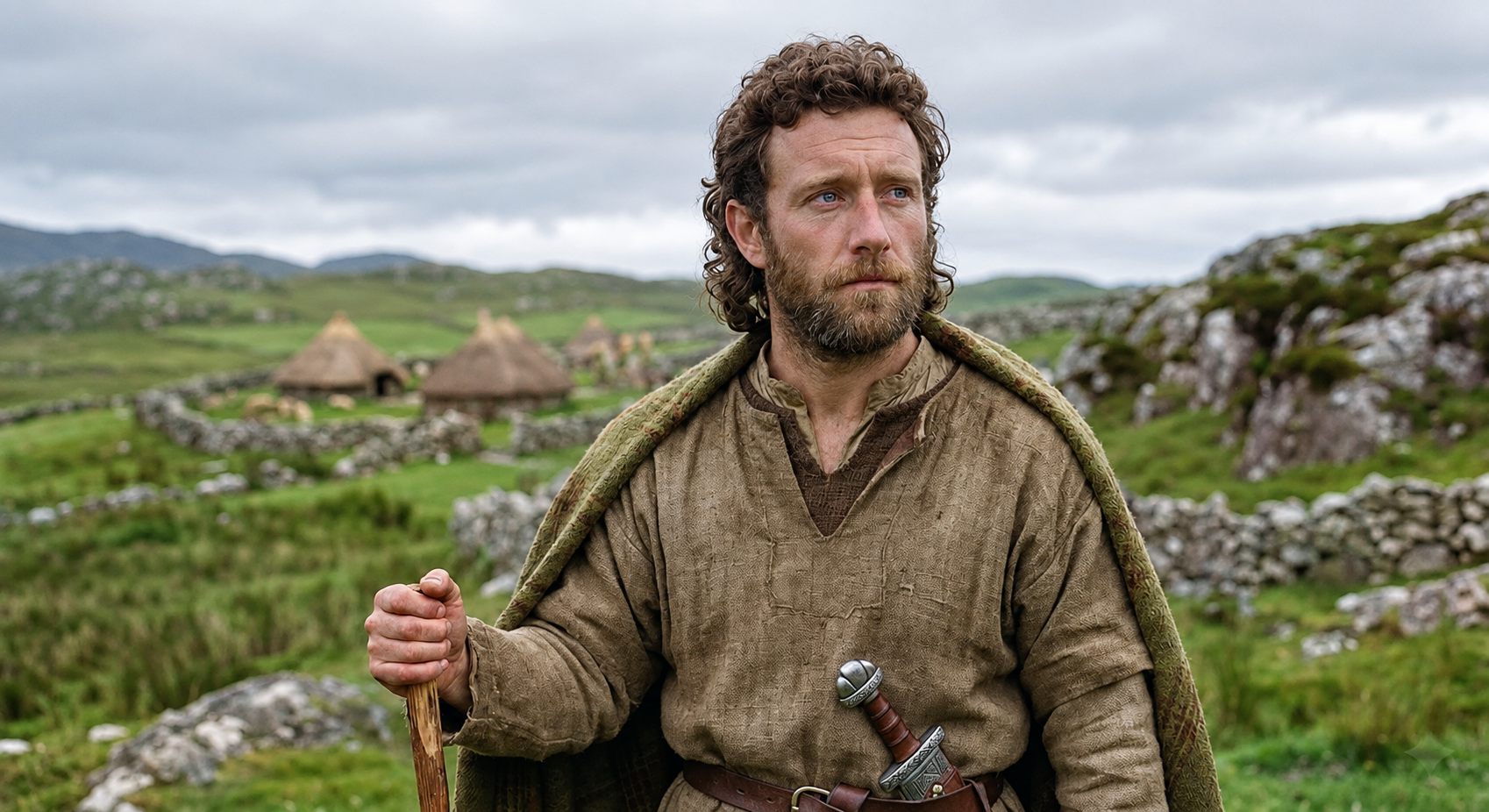
Stephan after the rigors of the long Pict campaign.

Daphne, Stephan and Danae's first child at around age 6. Daphne was named after Stephan's Votadini tribe mother.

10 year old Daphne riding Essie, Gelphy's foal.

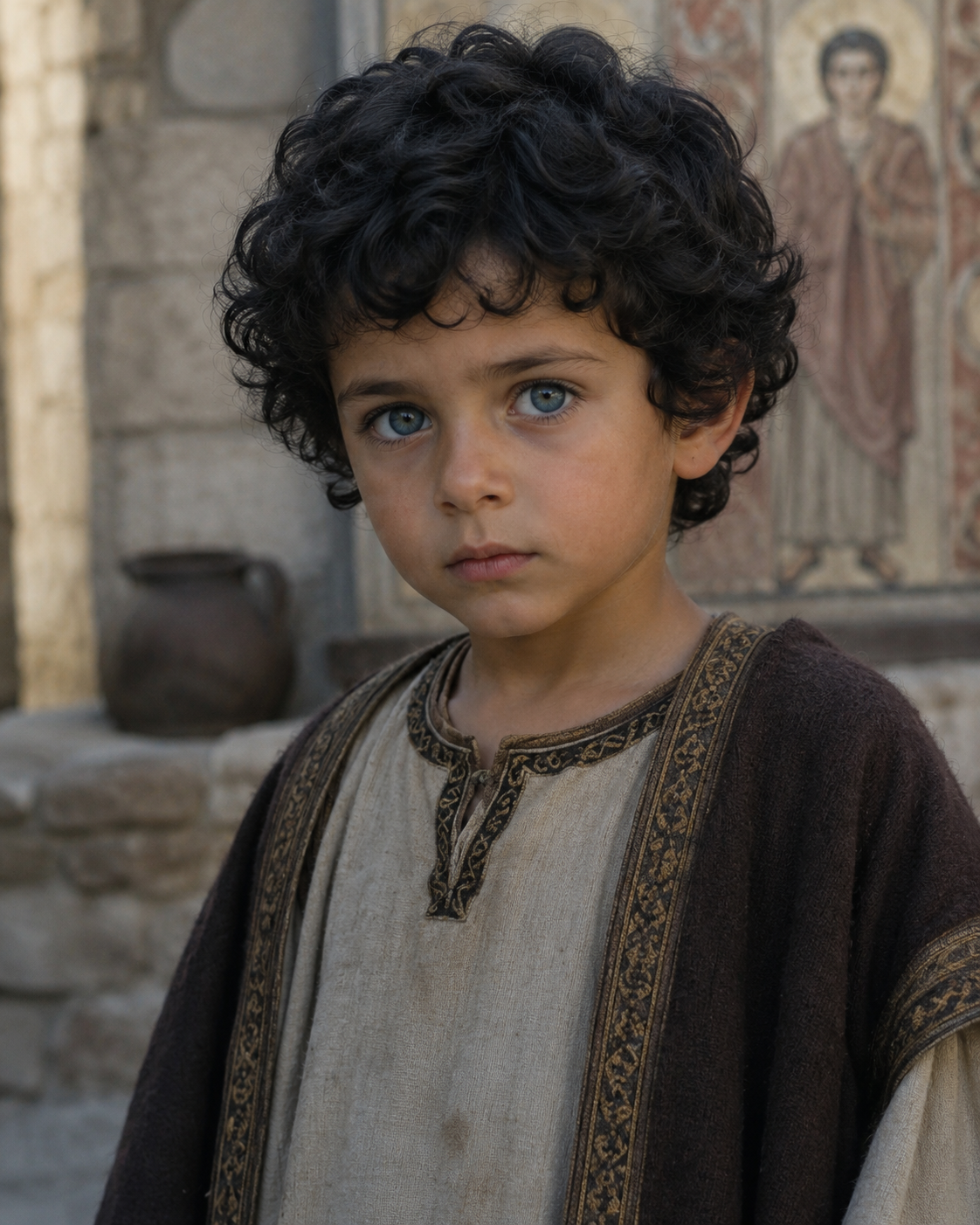
Ian, the second child of Stephan and Danae, aged about 4 years..Ian was named after her twin brother Ian.


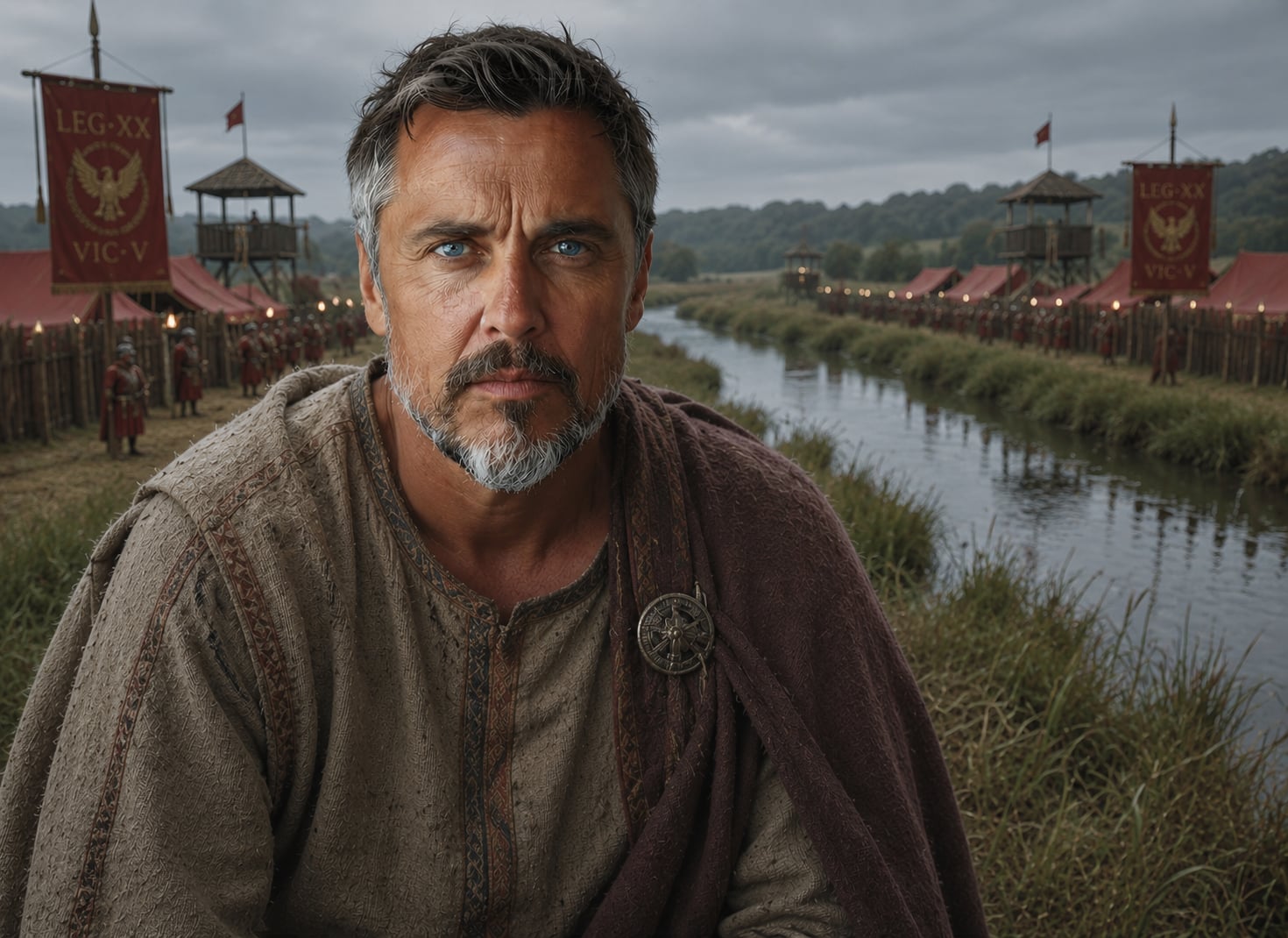
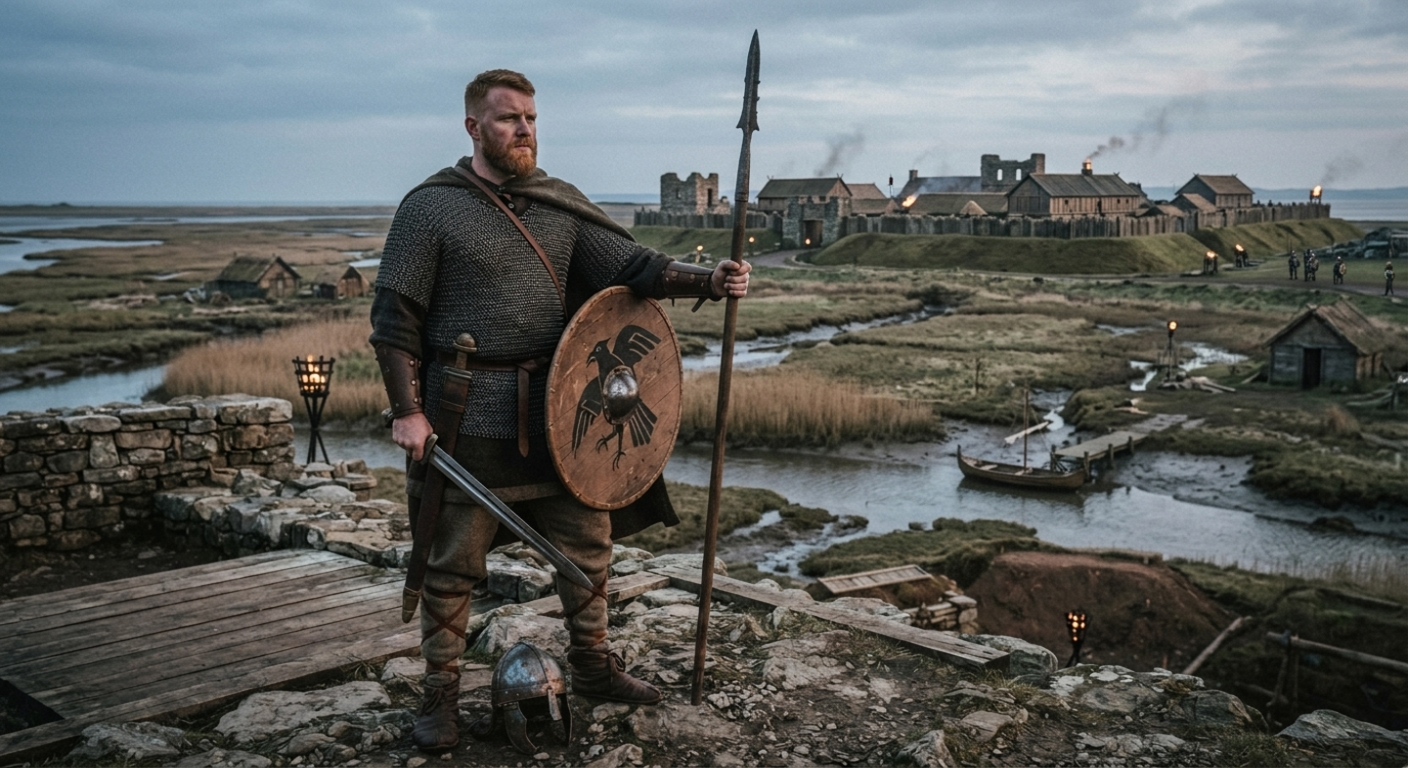
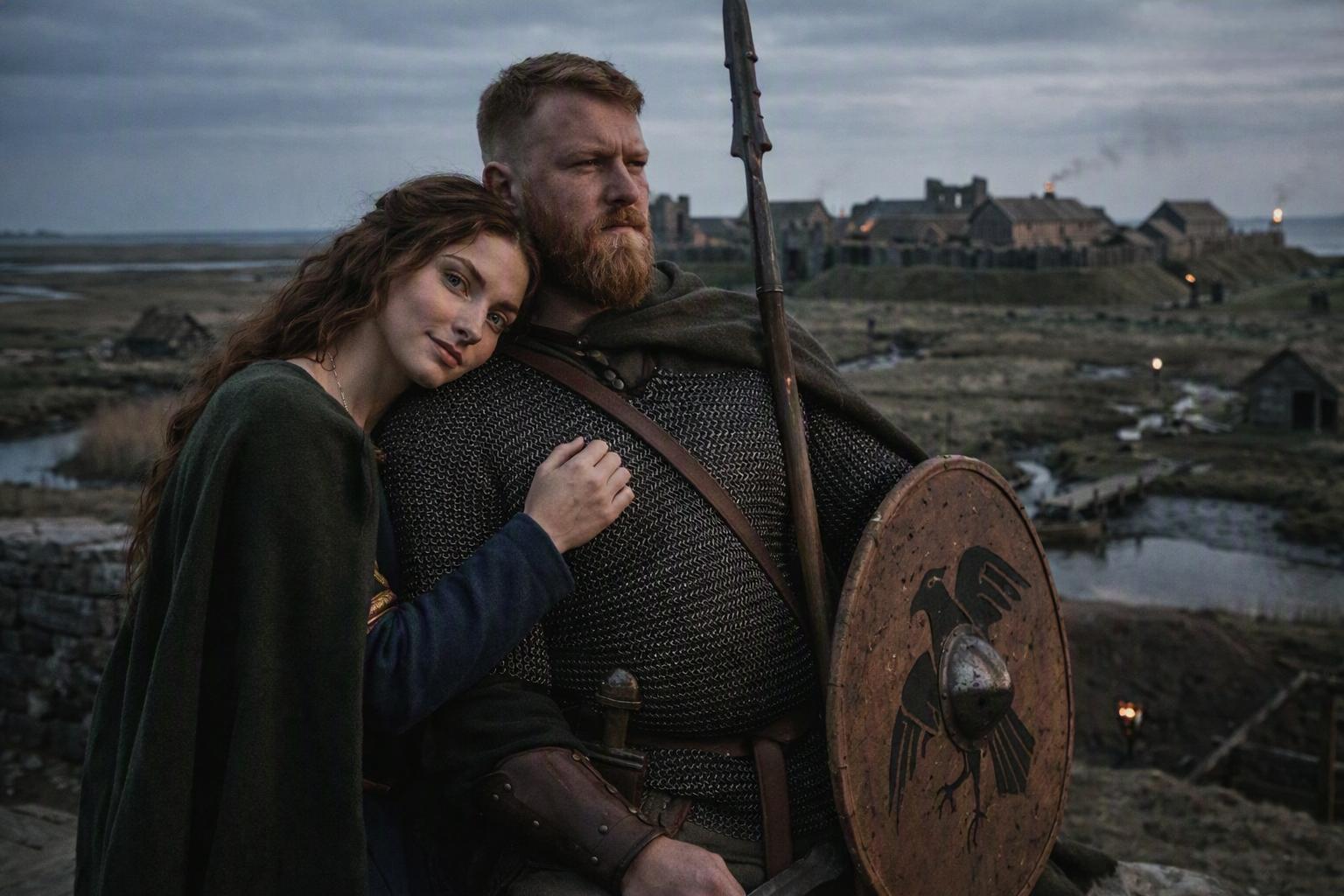
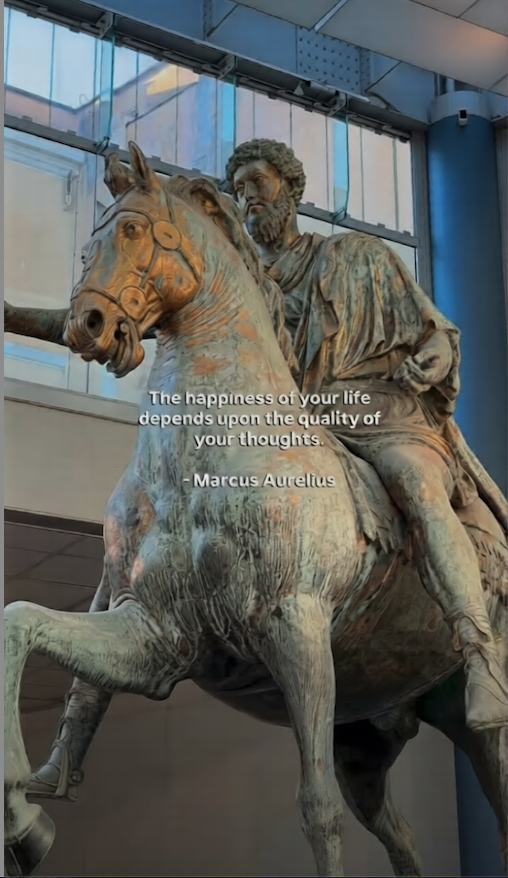
General Marcus Aurelius facing the marshes in front of his military compound outside Londinium. Marcus is the great great great grandson of the Stoic philosopher and Roman emperor Marcus Aurelius and inherited great wealth from his ancestral family.. His dream at mid life is to create a military compound focusing on peace keeping campaigns in an attempt to re-unite the fractured, war broken Isle of Britannia and bring peace to warfaring tribes there. Incoming Saxons from Saxony (present day Germany and Belgium) as raiders, warlords and refugees complicate this endeavor. Marcus employs women as several nurse/midwives and two female surgeons to attend to his injured male soldiers at his compound and away on campaigns..A somewhat controversial decision for the time period when women were surgeons in certain situations but not always treating large numbers of men..His four officers carry out his orders.. Although the physician Galen praised the skill of women surgeons who followed the Roman army around during the campaigns of the last centuries of the Roman empire.


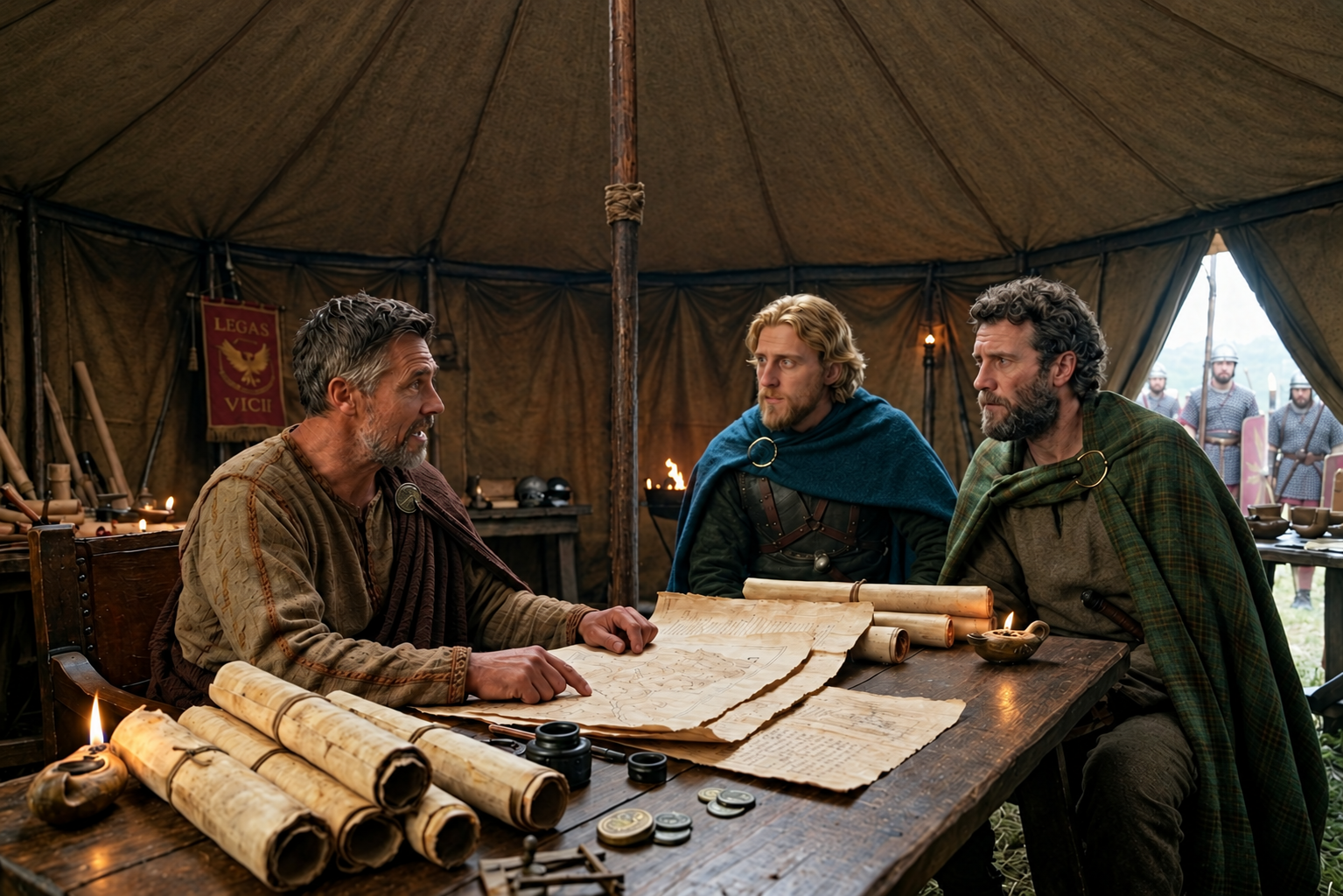
Cedric and Stephan consulting with Marcus on future campaign plans to Saxony inside Marcus's tent headquarters at the compound..


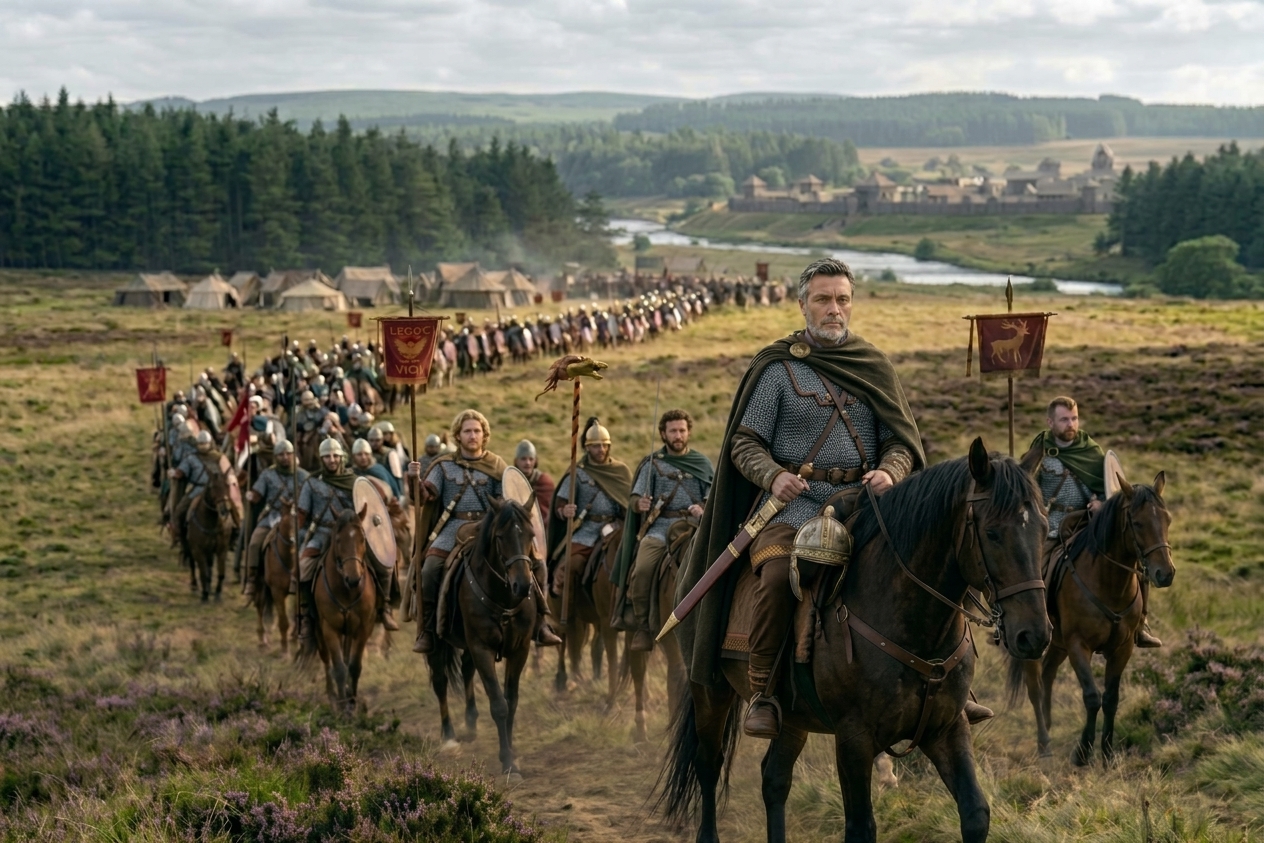
Marcus leading his army and officers Cedric and Stephan out of Britannia and towards Gaul for the campaign in Saxony.


Auntie Vivian of Londinium..School mistress, mentor and mother figure of Danae throughout her life. Vivian grew up in Lexovii in Gaul as a pagan and moved to Britannia as a young woman after her parents died in a storm in the Channel..She financed her girls school from the inheritance of her long time Romano Briton companion lover Rufus.


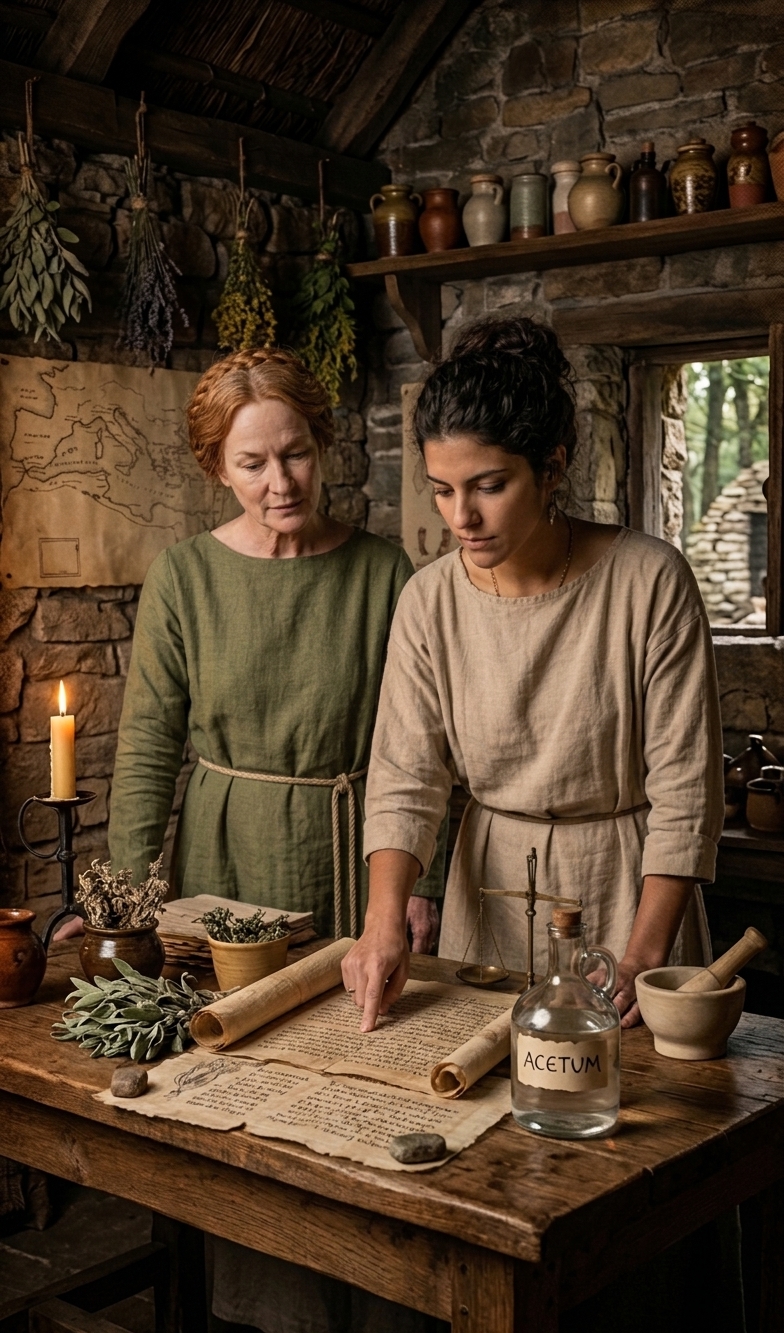
Metrodora, an Egyptian or Greek physician and writer from the 6th century, teaches Vivian her medicine on women's healthcare that includes contraception and care of the reproductive system of pregnancy and childbirth..Vivian then teaches her students what she learns from her own teacher.


Julia is Danae's long time close friend, herbalist. surgeon, and coworker in Marcus's military compound.. She attended Vivian's School of Midwifery in Londinium with Danae and is the daughter of a military officer there..Julia marries Cedric just after Danae and Stephan finally marry. They have two children, Aiden and Agnes.

Officer Cedric from Gaul..He is Stephan's long time best friend and military academy and later compound roommate.

Officer Augustus..Danae's nemesis..Enforcer of patriarchal Roman and military law within the compound.

Grainne is a Pict woman who is Odin's wife. Odin is a Votadini who was Stephan's schoolmate in Bernicia. The couple lives in a Pict settlement along the banks of the River Tweed in Bernicia.


Grainne and Odin near the Pict Settlement beside the River Tweed that opens to the Germanic Sea (North Sea).

Flavia inside her home of the surveyor's house on Marcus's compound. Flavia, the daughter of military general from Gaul, is the wife of Augustus.


This was the information of my research for female physicians during the 6th century..Metrodora was a 6th century Greek or Egyptian physician and writer who was among the first to write down valuable papyrus describing treatments and cures for women's diseases and advice for childbirth and contraception... My character Vivian learns about contraception, childbirth and women's disorders from her as a student...She later teaches it to her young niece Danae at her school of midwifery in Londinium...It wasn't just men who were physicians..The Turkish empire had their own female surgeons as men werent allowed to treat women in the Turkish harems..

Inscription from video: "Long before medical journals, university hospitals, and modern textbooks, a woman named Metrodora was writing down what she knew. Somewhere between the 3rd and 5th centuries CE, Metrodora authored *On the Diseases and Cures of Women*, making her one of the earliest known female medical writers in history. What survives of her work is remarkable. She did not write mythology. She did not write philosophy. She wrote medicine. Her text discusses gynecology, childbirth, diseases affecting women, surgical procedures, and treatments based on the medical knowledge of her time. In a world where countless women's experiences were filtered through male voices, Metrodora left behind something rare: a medical text written by a woman for the care of women. And yet, we know surprisingly little about her. Historians still debate exactly where she lived and practiced. Even her name raises questions. "Metrodora" translates roughly to "gift of the womb" or "gift of the mother," leading some scholars to wonder whether it was a given name or a professional title. What remains beyond dispute is her achievement. For centuries, women have been portrayed as patients in medical history. Metrodora reminds us that they were also researchers, healers, observers, and authors. Her book survived when countless others vanished. And through those surviving pages, a physician from over 1,500 years ago is still speaking to us. Not as a legend."


Archeology Magazine "Elite Anglo-Saxon Woman's Face Reconstructed"


This is a reconstructed face of a Pict man who lived in southern Scotland during the mid 6th century.. Archeologists found his remains in a stone container grave and were able to use his skeletal remains and DNA to reconstruct what he probably looked like alive. I believe him to be a good example of how Odin may have looked when first encountered by Stephan during the Pict campaign..Notice that the woad tattoo on his face is similar to that of Stephan's tattoo on his chest.


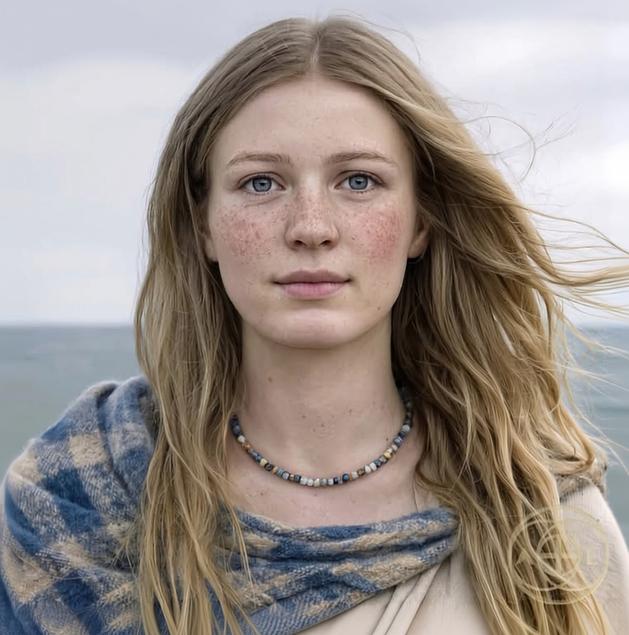
A recreated image of a Romano Briton woman buried on Beachy Head, England
She lay buried on the cliffs above the sea. What Julia would have looked like! Second century AD.

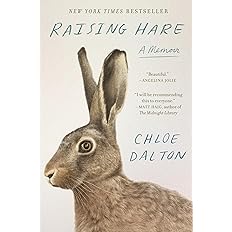
These books are references for hares in England and Scotland..Hares have been sources of food and magic and symbolism and talisman for centuries to the indigenous people who lived in Gaul and Britannia, which included the Celts of Lexovii and the Picts of Bernicia. They symbolised good luck and the triple hare symbol that was carved on doorways and walls on dwellings of ancient people represented the triple goddess of maid, mother and crone stages of life for all women.:

Raising Hare: A Memoir by Chloe Dalton


Luna Moon Hare: A Magical Journey With the Goddess Written and Illustrated by Wendy Andrew


The Secret Life of the The Mountain Hare by Andy Howard


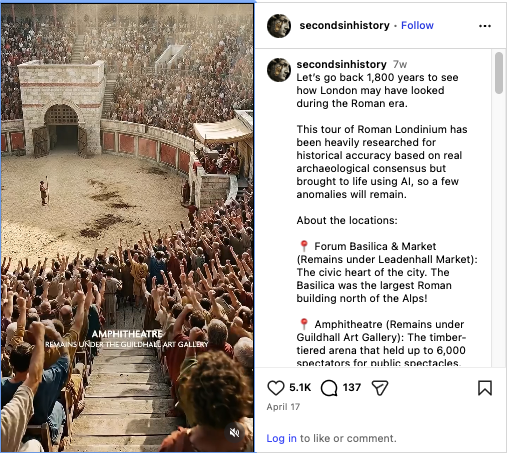
These videos will explain in more detail what was happening during the historical time period of The Alchemy from Antiquity..Enjoy as you can imagine even further the world of Danae and her new found family and how this shaped her maturity and growing up.
Click for video from Instagram of Londinium 1800 years ago

This is a 7th century stone church using Roman bricks and stone discarded after the fall of the Roman Empire in Britannia around 410 AD..
The church is a stone dwelling built around 650 AD. I imagined the stone house built by Stephan for Danae to look similar to this, although shorter and smaller. Roman brick and stone was plentiful lying in ruins in and around Londinium during the 6th century. The actual chapel is called St. Peter Ad Muram located in Bradwell on Sea, England.

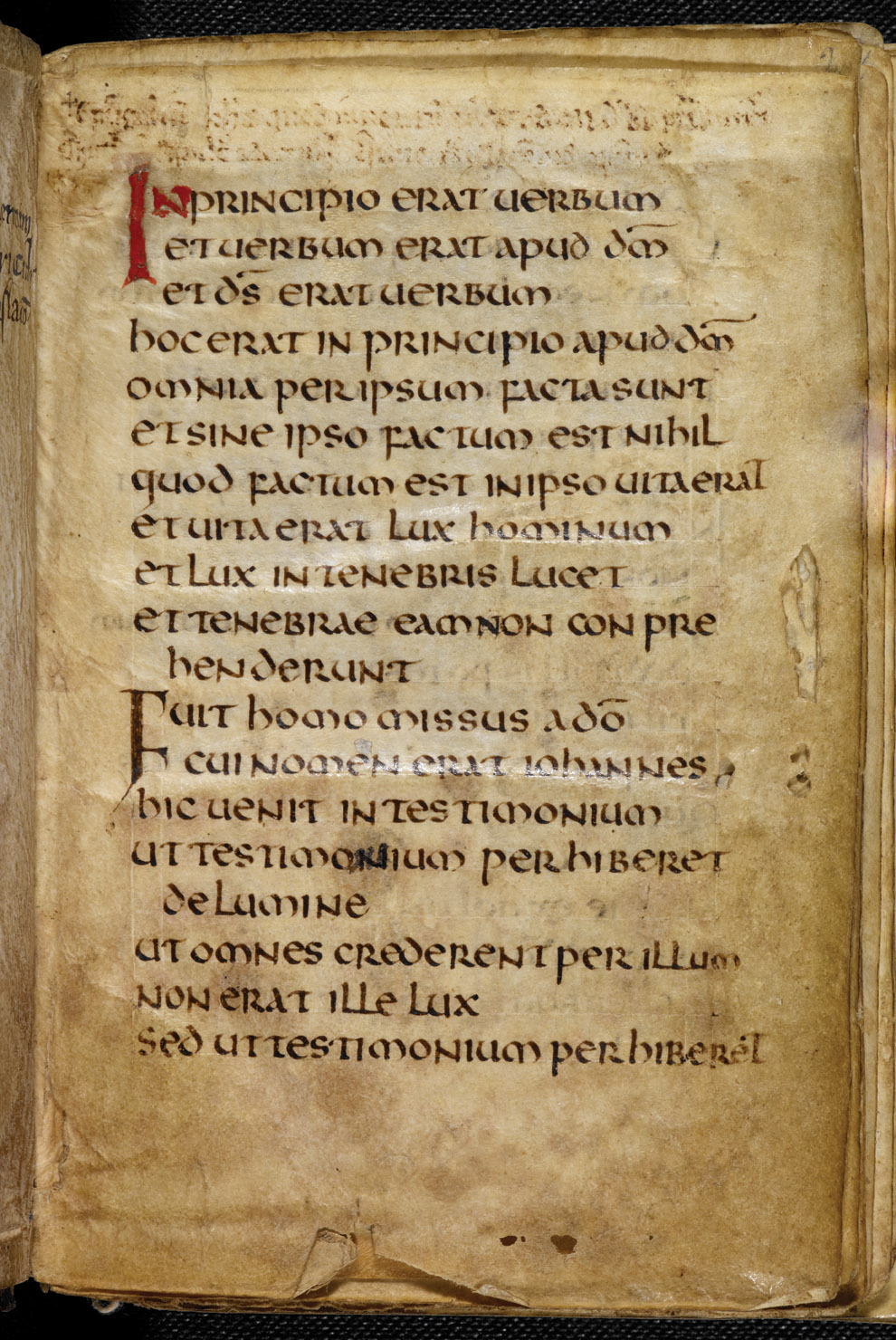
Read about St. Cuthbert's Gospel, a 7th century book in the British Library. Both a page, and the cover are depicted here:

The happiness of your life depends on the quality of your thoughts. - Marcus Aurelius